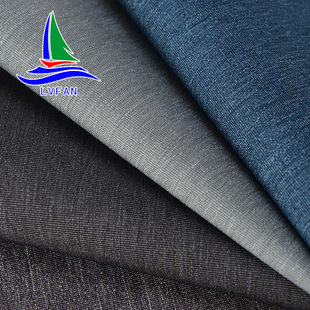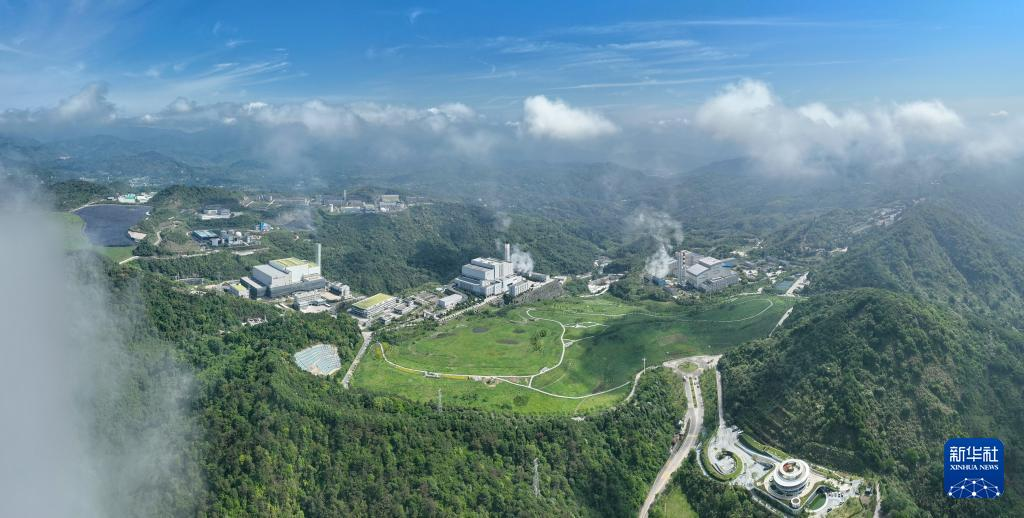
In April 2026, the China National Textile and Apparel Council released the Report on the Development of Textile Circular Economy. It shows that the scale of China’s textile circular economy surpassed 50 billion yuan in 2025. The volume of recycled waste textiles exceeded 12 million tons, and the output of recycled fibers reached 3.2 million tons. China ranks first worldwide in both technology and scale for the high-value utilization of used clothing.
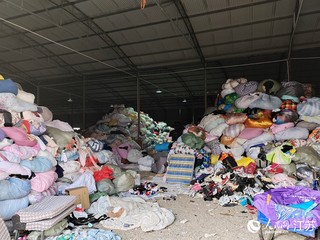
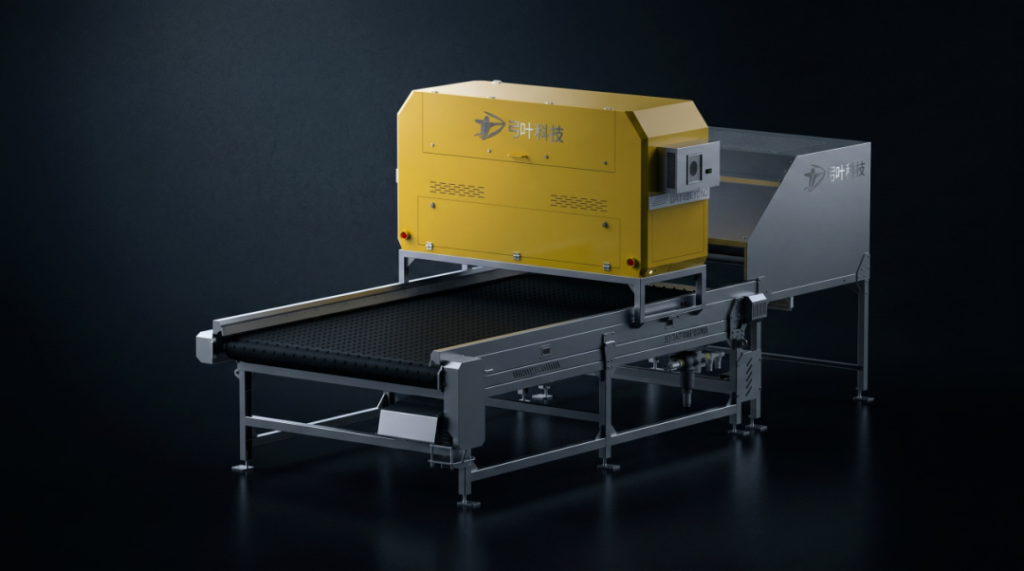
The industry has built a complete closed-loop industrial chain covering collection, sorting, disintegration, regeneration and application. Enterprises including Shanghai Defulun and Jiangsu Aoyang adopt technologies such as biological enzymatic depolymerization, physical opening and chemical dissolution to convert used clothes, waste fabrics and plastic bottles into high-quality recycled fibers with a purity of 99.5%. These fibers can be directly applied to high-end home textiles, fashion apparel and industrial fabrics.
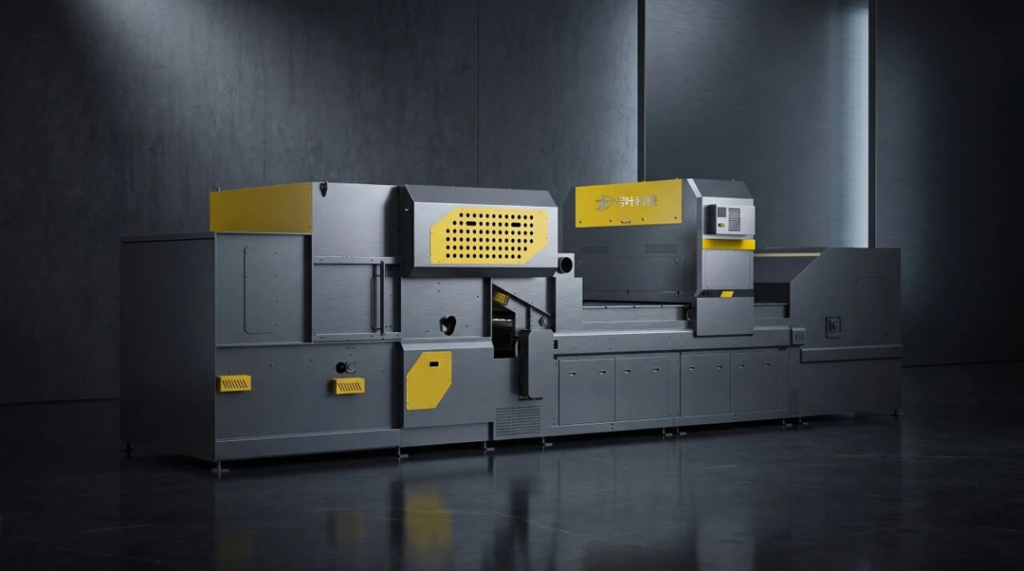
The industry delivers remarkable green and low-carbon benefits. Each ton of recycled fiber saves 6 tons of crude oil, 100 tons of water and cuts carbon dioxide emissions by 3.2 tons. In 2025, the whole industry saved over 2 million tons of standard coal and reduced carbon dioxide emissions by more than 10 million tons, making solid contributions to the national carbon peaking and carbon neutrality goals.
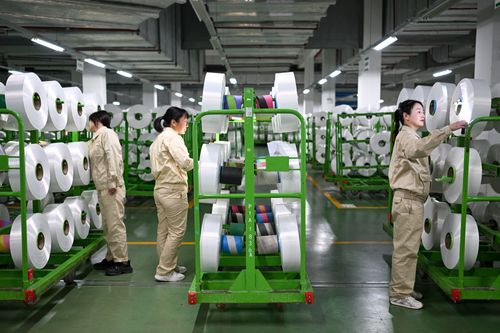
Policy support continues to strengthen. The Ministry of Industry and Information Technology and the Ministry of Commerce jointly promote the development of the waste textile recycling and utilization system. Recycled fibers have been included in the green procurement list, and tax reductions as well as financial subsidies are offered to circular economy enterprises. The industry forecasts that by 2030, the scale of China’s textile circular economy will exceed 150 billion yuan, with recycled fibers accounting for 50% of total fiber output, basically realizing the green transformation of the industry.