
In April 2026, Circ, a global leader in textile chemical recycling based in the United States, announced the official launch of the world’s first dedicated recycling plant for polyester-cotton blends in Lille, France. With a total investment of 120 million euros, the facility can process 70,000 tons of waste polyester-cotton fabrics annually, including T-shirts, shirts, bed linens and workwear.

Adopting Circ’s patented closed-loop chemical recycling technology, the plant achieves complete separation of cotton and polyester fibers. The recycled cotton boasts a purity of 99% and retains the same fiber length as virgin cotton, while the recycled polyester reaches 100% purity and can be directly used for spinning. The production process generates no wastewater or solid waste, with a solvent recovery rate of 99.5%. This breakthrough fundamentally addresses the biggest bottleneck in the global textile recycling industry: the difficulty in separating and efficiently reusing polyester-cotton blends.
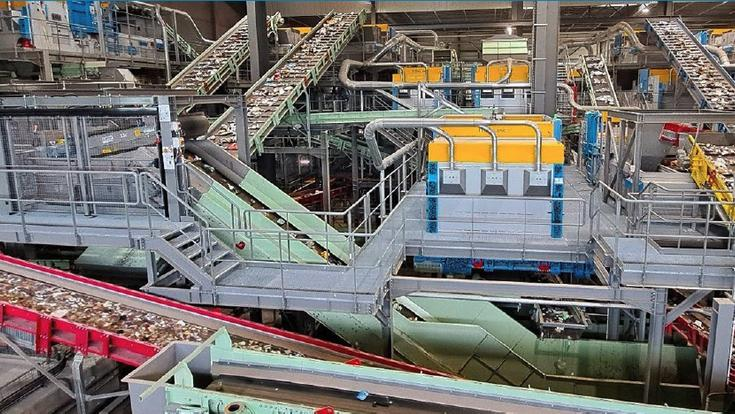
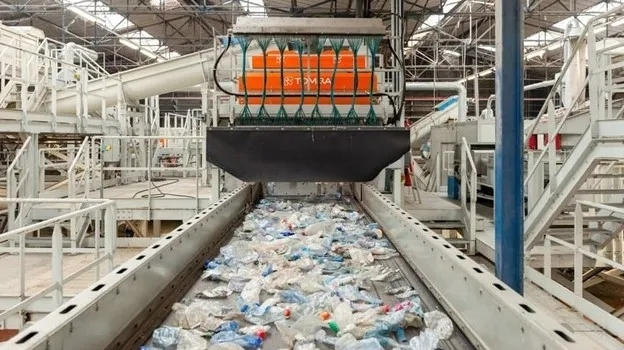
Globally, over 92 million tons of waste textiles are produced each year, among which polyester-cotton blends account for 60%, equivalent to around 55 million tons. Due to the distinct physical and chemical properties of natural cotton fibers and synthetic polyester fibers, traditional mechanical recycling can only shred such materials into low-grade recycled fibers, which are limited to low-value applications such as fillings and geotextiles. As a result, 90% of polyester-cotton textile waste ends up in landf or incinerators, causing severe resource waste and environmental pollution.
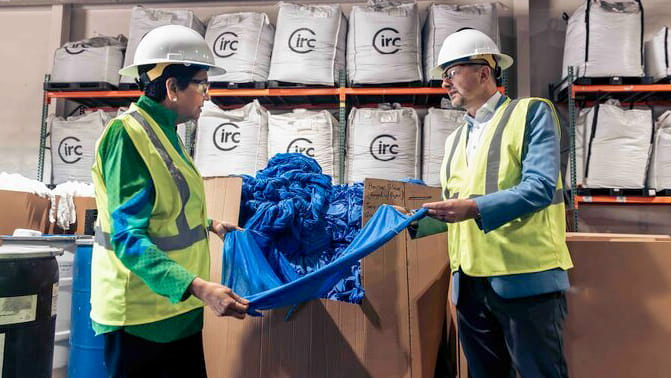
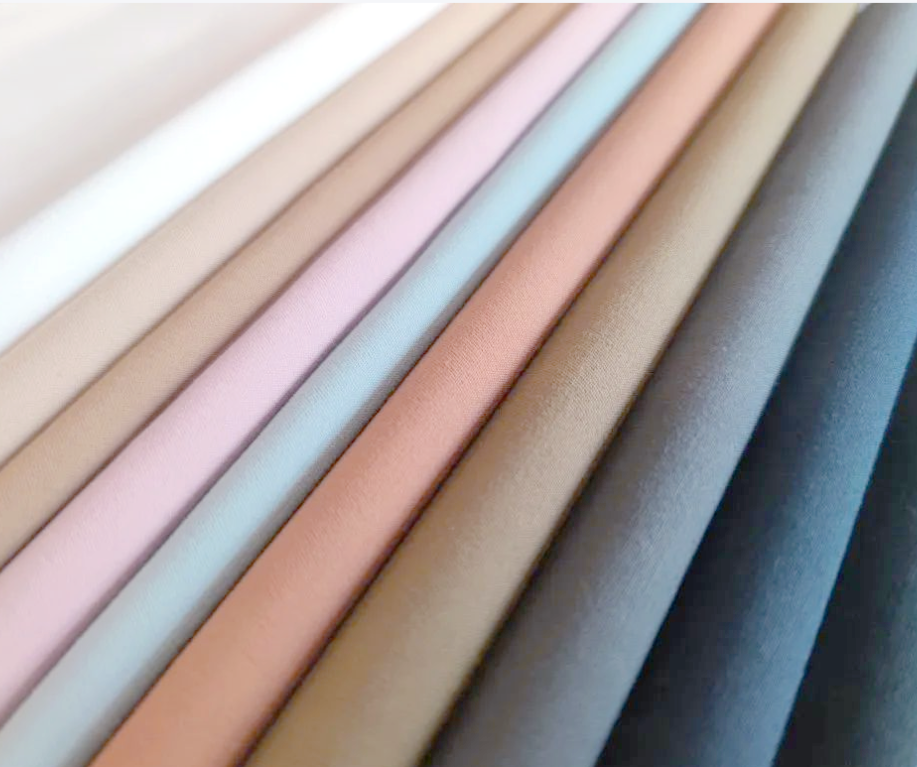
Circ’s chemical recycling technology realizes true fiber-to-fiber closed-loop recycling for polyester-cotton blends for the first time. The recycled fibers match the quality of virgin materials and can be applied to high-end apparel, home textiles and knitted fabrics, lifting product value by 5 to 10 times. It has unlocked a trillion-yuan market potential for the global circular textile industry.
Located in Europe’s core textile hub, the French plant serves France, Germany, Italy, Spain, the United Kingdom and other European countries. Its waste fabric collection network covers more than 500 cities. Long-term recycling agreements have been signed with international brands including H&M, ZARA, UNIQLO, Decathlon and IKEA. The recycled fibers are directly supplied to the brands’ European production bases, forming a complete closed loop of collection, recycling, manufacturing and sales.
Circ plans to build 10 additional blend recycling plants across Germany, the UK, Spain, the US, Japan and Vietnam by 2030, with a combined annual production capacity of 1 million tons to cover major textile markets worldwide.
This technology exerts far-reaching influence on the industry. The EU’s ESPR regulation mandates that apparel products contain no less than 30% recycled fibers starting from 2027, and Circ’s high-quality recycled polyester and cotton will help brands comply with the new rules. It also accelerates the delivery of sustainability targets for global fashion labels; for instance, H&M aims to use 100% recycled fibers by 2030, and Circ will act as its core supplier. In addition, the recycled fibers feature stable pricing: recycled cotton is 10% cheaper than virgin cotton, and recycled polyester costs 15% less than its virgin counterpart, ensuring steady supply and avoiding price volatility risks.
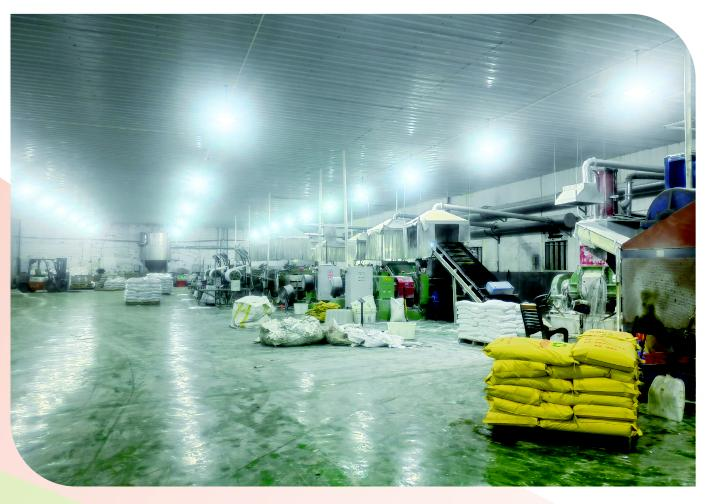
For textile enterprises around the world, Circ’s technology brings three major opportunities. First, stable supply of high-quality recycled fibers enables manufacturers to replace virgin cotton and polyester, cutting raw material costs and enhancing products’ eco-friendly credentials. Second, waste fabrics can be monetized: production scraps, excess inventory and used garments can be sold to Circ for recycling, creating new revenue streams. Third, enterprises can upgrade their supply chains and gain access to the sustainable supply networks of international brands, driving growth in both order volume and profit margins.
In the long run, driven by advancing circular economy policies and rising demand for sustainable consumption worldwide, the polyester-cotton blend recycling market will keep expanding. Circ’s technological innovation will lead industrial transformation and accelerate the full shift of the global textile sector from a linear economy to a circular economy.