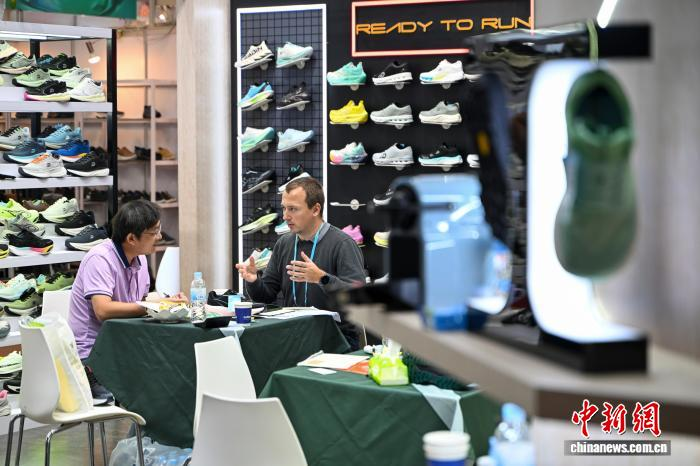
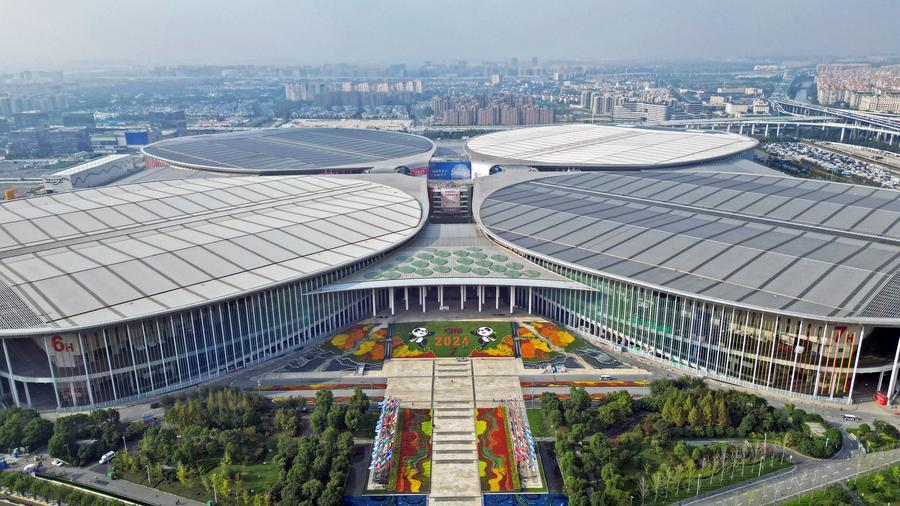
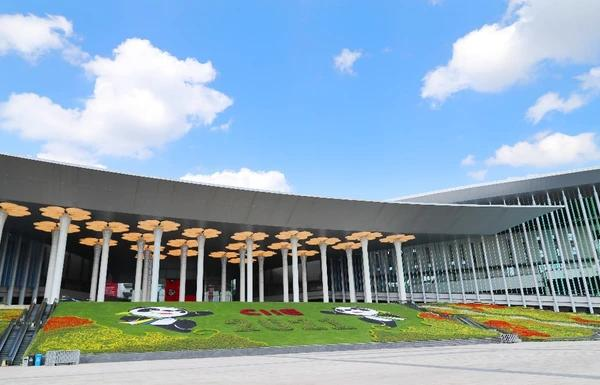
In March 2026, the China National Textile and Apparel Council (CNTAC) Spring Exhibitions grandly kicked off at the National Exhibition and Convention Center (Shanghai). Covering an area of over 200,000 square meters, the event gathered more than 1,500 textile enterprises worldwide. It showcased new materials, advanced craftsmanship, cutting-edge equipment and innovative business models, fully demonstrating the strong momentum of China’s textile industry pursuing high-quality and innovative development.
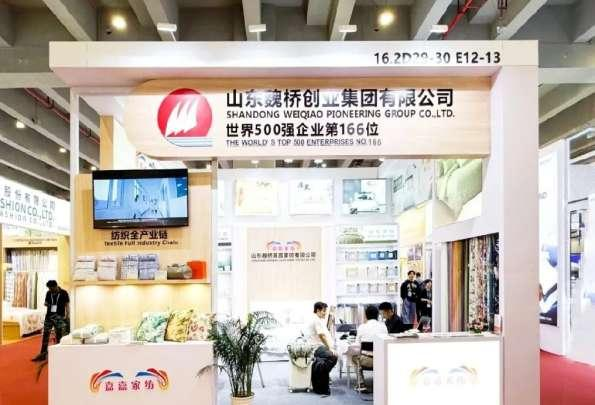
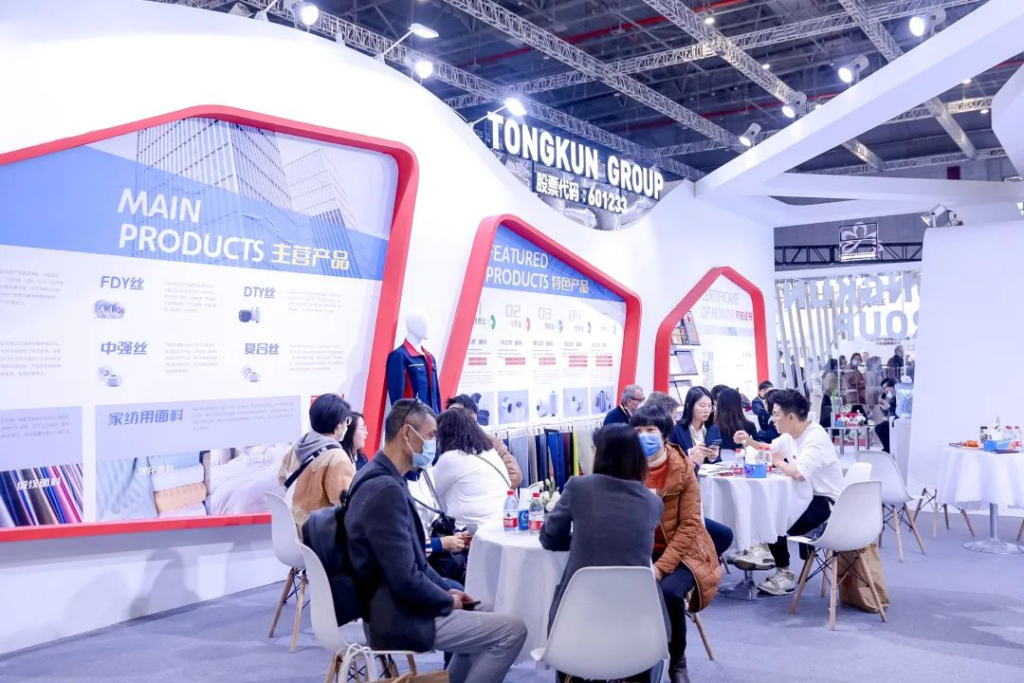
Technology stood out prominently at this edition, with functional and smart fabrics emerging as the major highlight. Shandong Weiqiao launched apocynum fiber blended fabrics. Adopting high-count and high-density techniques, the products eliminate the itchiness and pilling issues of traditional linen materials, while retaining natural antibacterial, breathable and moisture-wicking properties. Relevant industry standards are being formulated to advance the large-scale application of apocynum fibers. Wujiang Shengwei Bauhinia Textile unveiled a 10D ultra-thin fluorine-free waterproof cicada-wing fabric, which weighs merely 60 grams per square meter. It achieves three major breakthroughs: heavy rain resistance, high air permeability and ultra-light weight, and has quickly secured bulk orders from international outdoor brands.

Low-carbon development became a universal theme across the exhibition. A wide range of achievements featuring low-carbon industrial chains, recycled fibers and high-value utilization of used garments were on full display. Shenghong Group presented a closed-loop industrial chain of “carbon dioxide capture — green ethylene glycol — low-carbon polyester fiber”, which cuts carbon dioxide emissions by 1.2 tons per ton of fiber produced. Shanghai Defulun applies bio-enzymatic depolymerization technology to convert used clothes into recycled fibers with a purity of 99.5%, which can be directly used for high-end home textiles and fashion apparel.
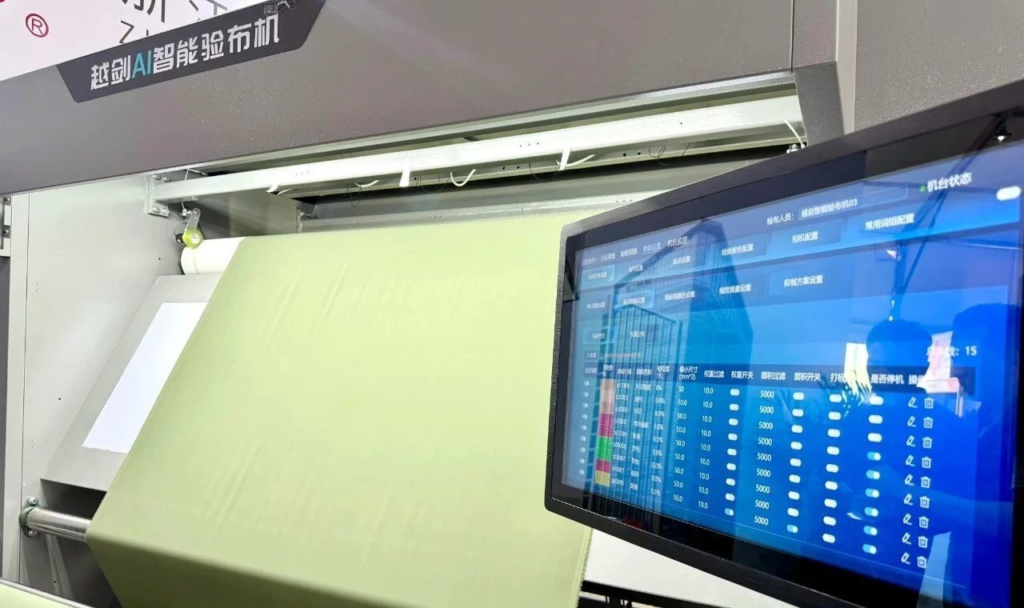
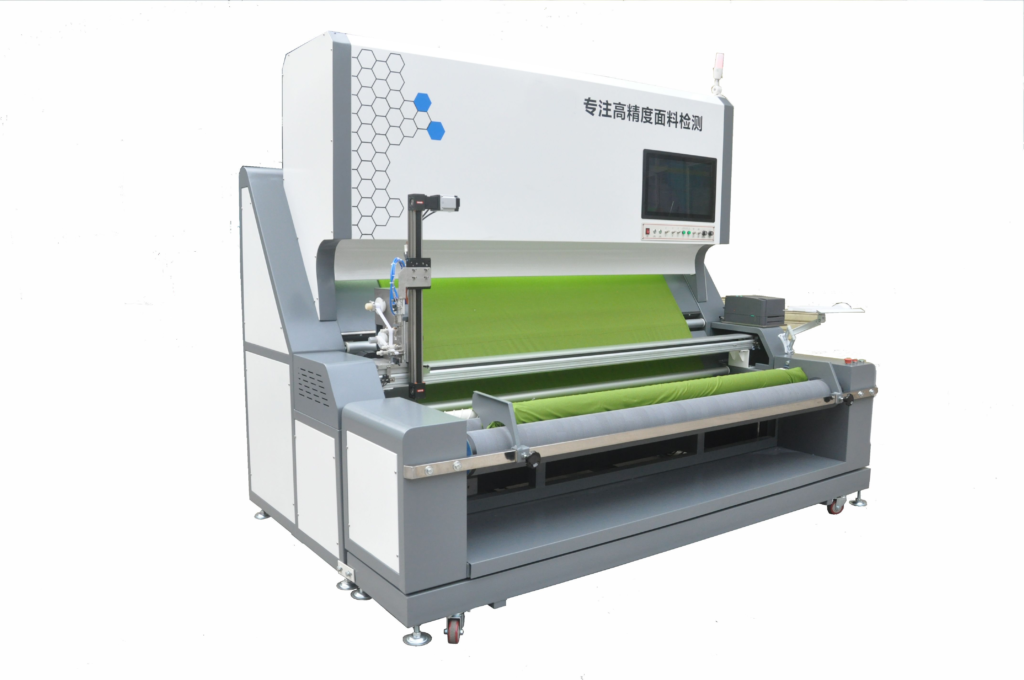
Exhibition statistics indicate that China’s textile industry saw its energy consumption per unit of output drop by over 65% in 2025 compared with 2005. The annual recycling volume of waste textiles grew by 12% on average, and the annual consumption of recycled fibers exceeded 3 million tons. Green manufacturing has become a core competitive edge of China’s textile sector.