
In 2025, the total import value of textiles and apparel into the United States reached approximately 104.053 billion US dollars, a slight year-on-year decline of 3.34%. Meanwhile, a historic shift took place in the regional supply landscape. With a market share of 17.71%, Vietnam overtook China (16.96%) for the first time to become the largest apparel supplier to the U.S. This change is not a short-term fluctuation, but a combined result of global supply chain restructuring, trade policy adjustments and industrial cost relocation. It indicates that the focus of global textile manufacturing is shifting rapidly to Southeast Asia, bringing comprehensive benefits to upstream and downstream enterprises across the region.
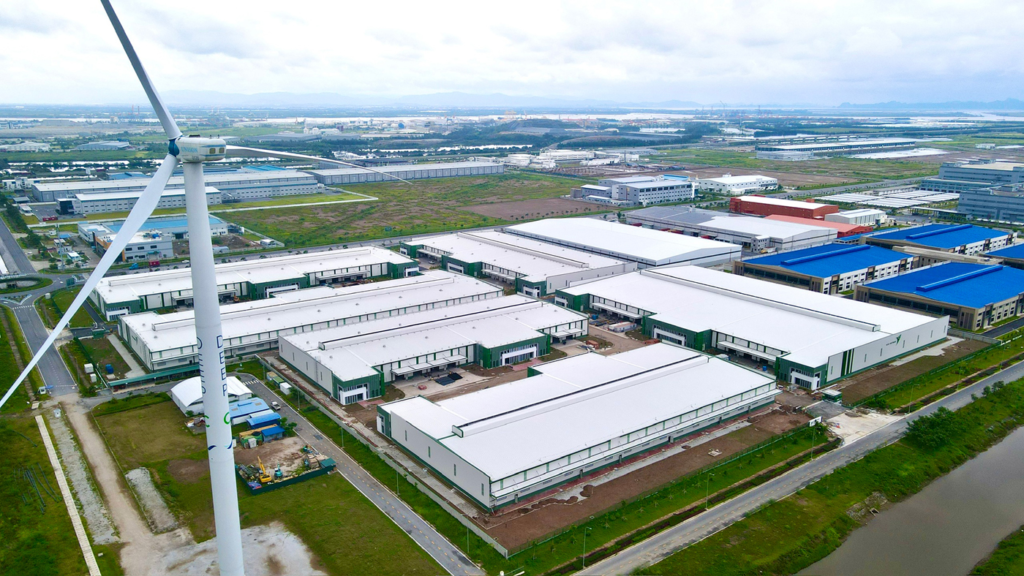
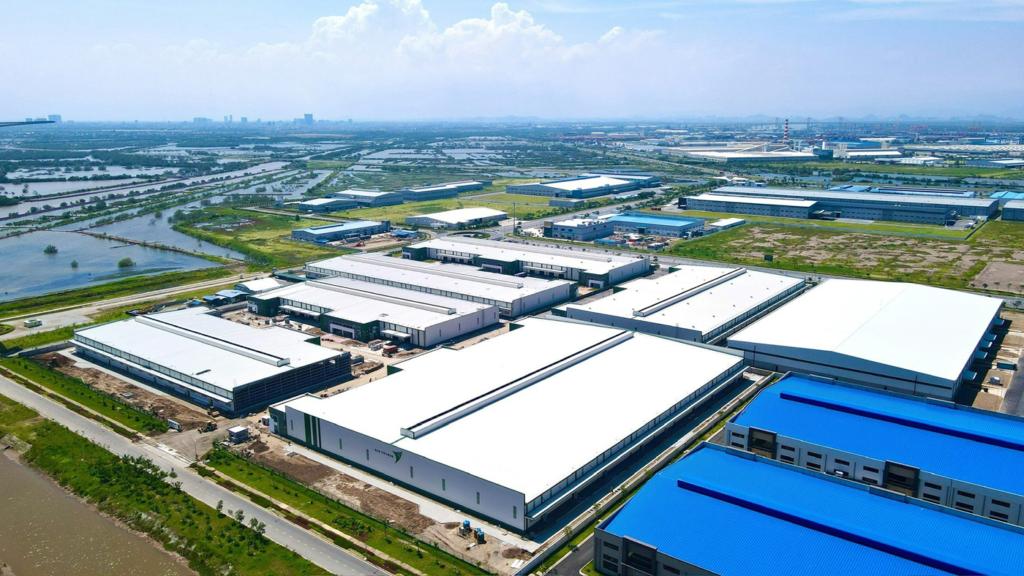
Vietnam’s textile industry has maintained an annual compound growth rate of 10% to 15% in recent years. Its textile and apparel exports exceeded 55 billion US dollars in 2025, of which exports to the U.S. accounted for over 40%. The key driving factors include additional U.S. tariffs on Chinese products (averaging 15% to 25%), zero-tariff benefits under the Vietnam-EU Free Trade Agreement (EVFTA), labor costs 40% lower than those in China, and the widespread adoption of the “China Plus One” sourcing strategy. To diversify risks and cut costs, international brands have continuously transferred orders from China to Southeast Asian countries such as Vietnam, Cambodia and Indonesia. Between 2024 and 2025 alone, brands including Nike, Adidas, H&M and ZARA placed over 12 billion US dollars worth of new orders in Vietnam.
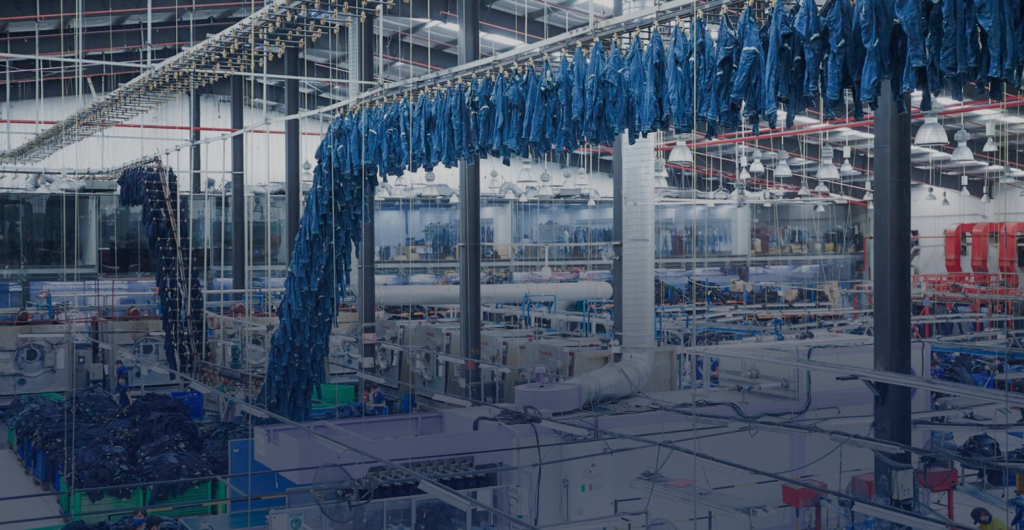
The Vietnamese government has also rolled out the 2025–2030 Textile and Apparel Development Plan. A total of 5 billion US dollars has been invested to upgrade infrastructure, build modern textile industrial parks and support supporting industries for fabric production, dyeing and finishing. The country targets textile and apparel exports of 100 billion US dollars by 2030, aiming to grow into one of the world’s major textile manufacturing hubs.
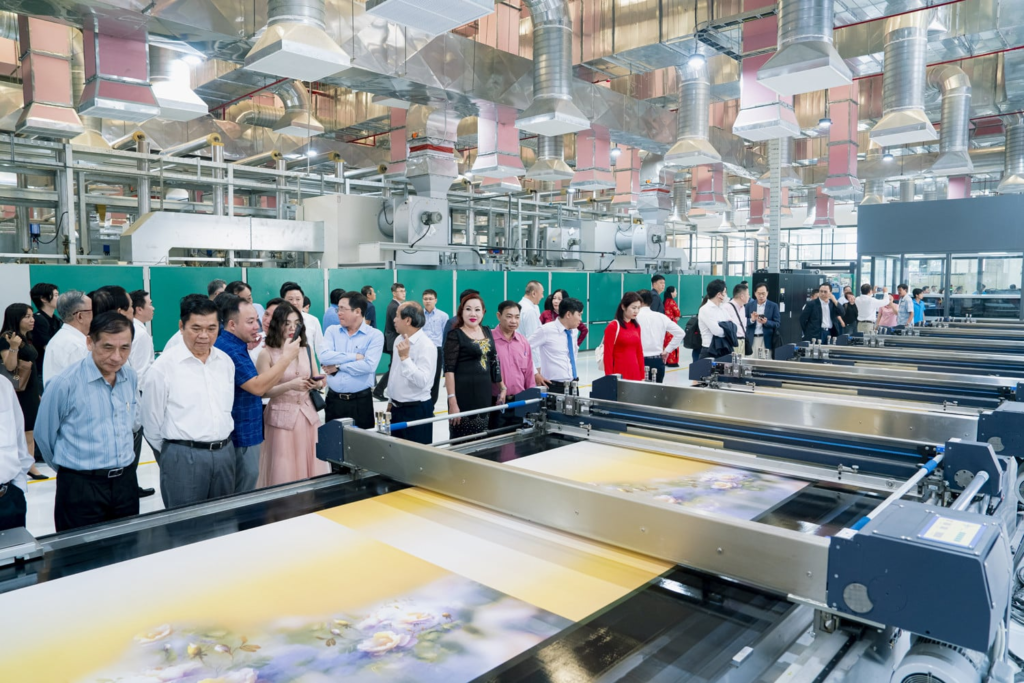
Behind the production expansion lies the upgrading of the full industrial chain. Vietnam is transforming from simple garment assembly into an integrated industrial base covering spinning, weaving, dyeing & finishing, accessories and machinery manufacturing. Leading global enterprises including Hyosung, Lenzing and Far Eastern Group have set up new production facilities in Vietnam. From 2024 to 2025, 8 new chemical fiber production lines, 12 high-end fabric mills and 5 eco-friendly dyeing and finishing bases were launched. The self-sufficiency rate of local fabrics in Vietnam rose from 35% in 2020 to 62% in 2025.
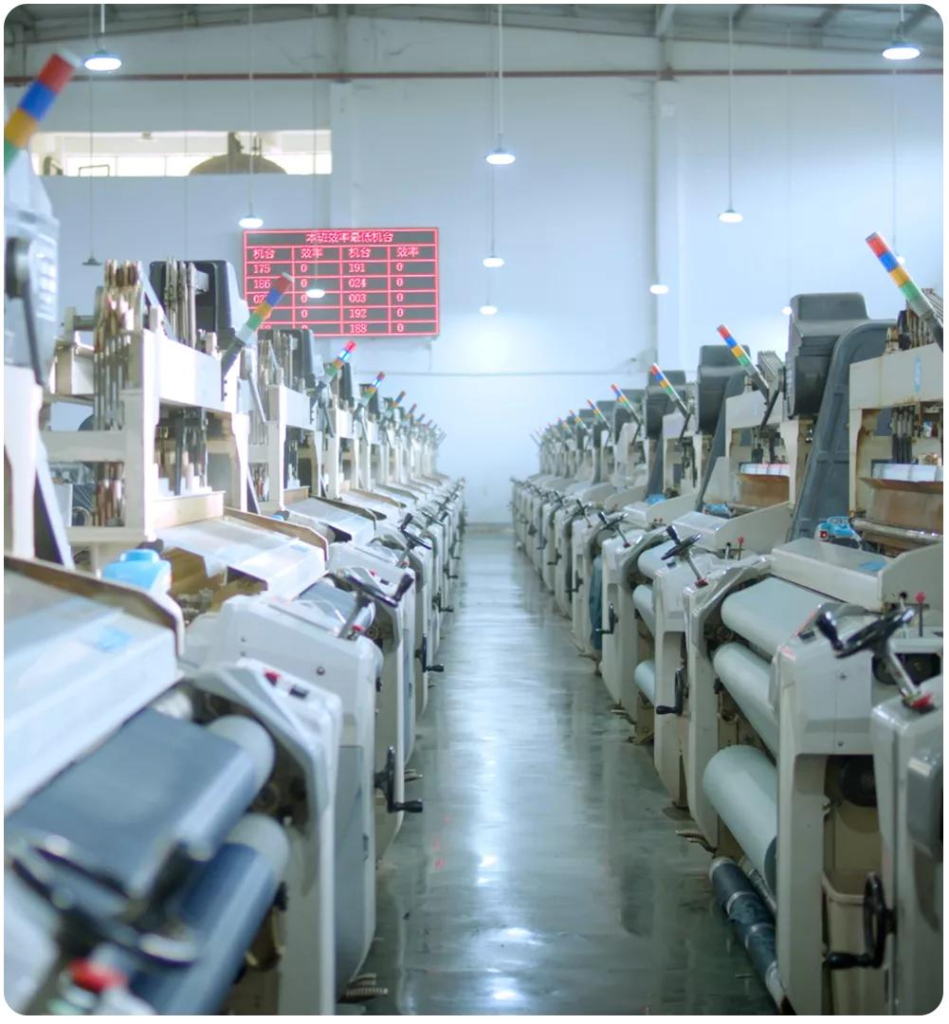
Vietnam’s growth has boosted the entire Southeast Asian textile cluster. Cambodia’s apparel exports to the U.S. grew by more than 20%. Indonesia became the largest investor in textile machinery across Southeast Asia, with machinery imports hitting 3.2 billion US dollars in 2025. Bangladesh retained its position as the world’s second-largest apparel exporter, with exports standing at 46–47 billion US dollars in 2024.
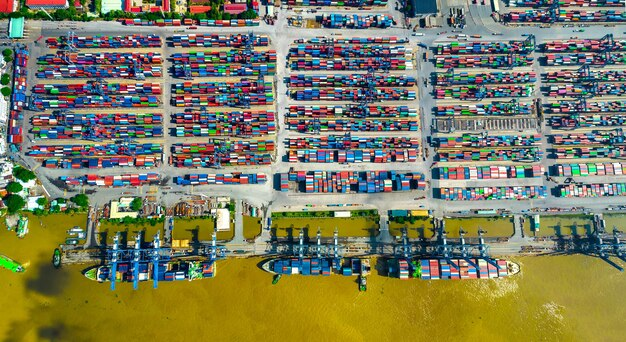
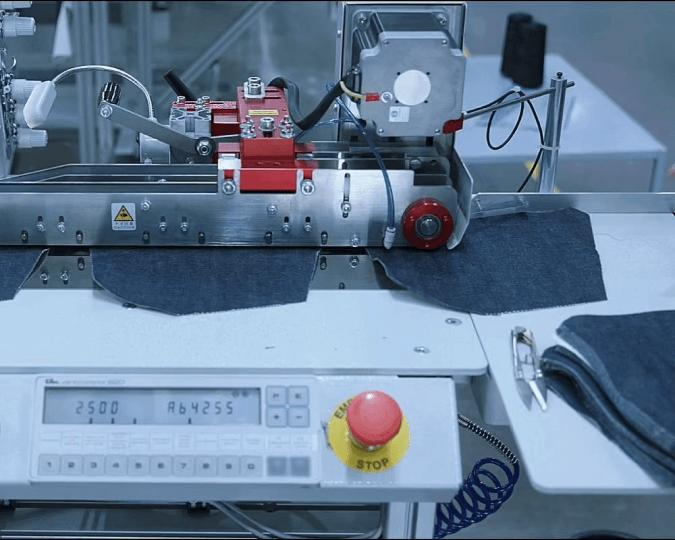
For global textile enterprises, the expanding production capacity in Southeast Asia presents three major opportunities. First, surging demand for fabrics, yarns and accessories. Vietnam still faces a 38% shortfall in domestic fabric supply, and high-performance functional fabrics as well as recycled fabrics are in short supply. Second, huge demand for textile machinery and technology exports. The automation rate of local factories in Southeast Asia is only 45%, creating strong demand for industrial upgrading. Third, attractive investment prospects. Industrial parks in Vietnam offer a 10-year corporate income tax exemption, duty-free import of production equipment and land rent subsidies, delivering an investment return rate of 15% to 25%.
In the long run, Southeast Asia’s textile cluster will continue to benefit from the diversification of global supply chains. It is projected that the total textile export volume of the region will exceed 250 billion US dollars by 2030, accounting for 35% of global textile trade. The region will evolve into a core growth engine for the global textile industry.